
Therapy for Bicultural Identity
For Brown Women who were told that they were “too Brown” and “not Brown enough” at the same time.
For the Brown girl who’s “too Brown” and “not Brown enough”:
You’re allowed to dream bigger. You’re allowed to want more for yourself.
But if you grew up living in two different cultures, it’s hard to know what “more” means. Does “more” mean what you want for yourself, or what culture and family expect of you? Where does culture end, and YOU begin?
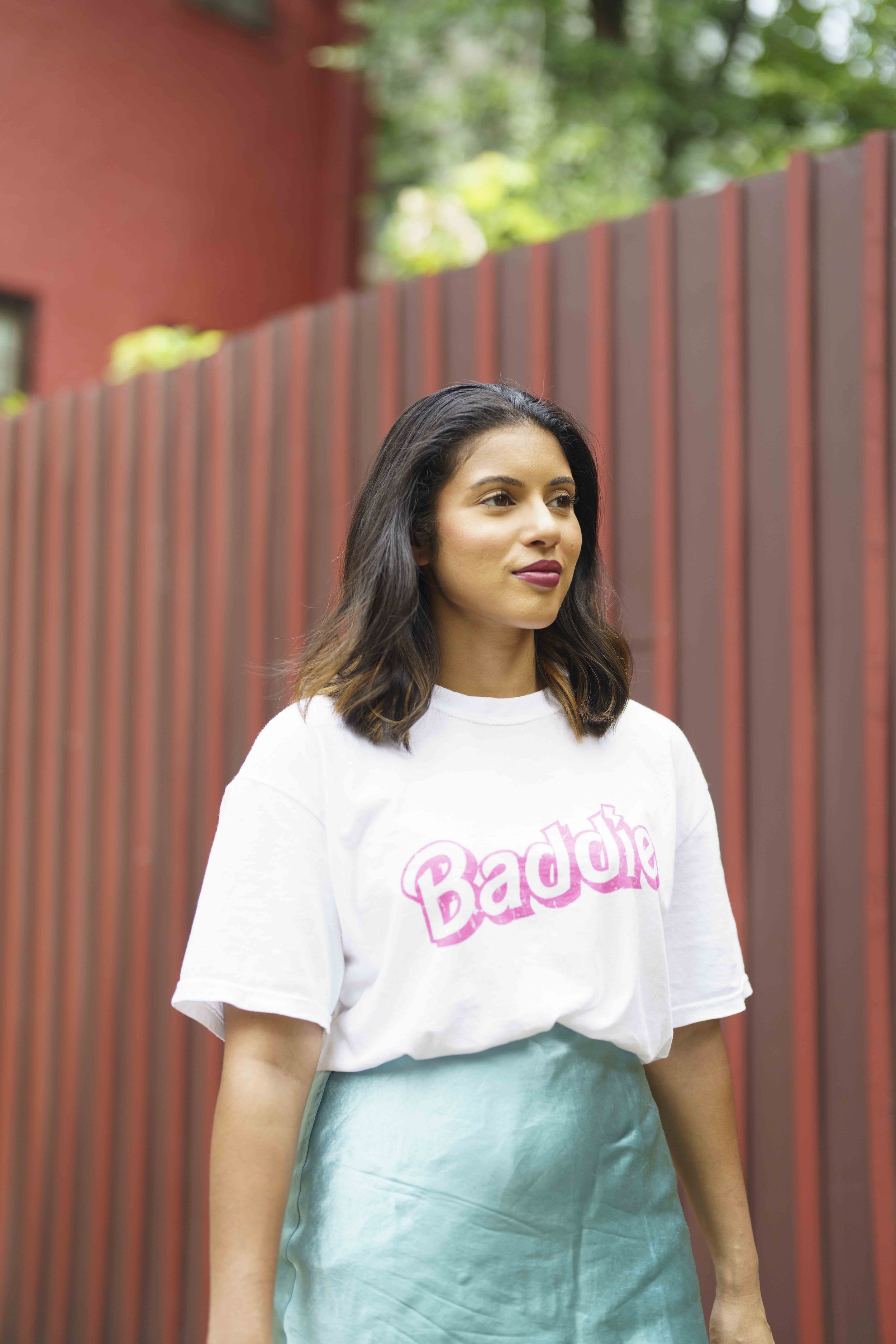
What is Bicultural Mental Health?
Bicultural stress, or acculturation stress, is the stress that comes with straddling contradictory and rigid expectations of two cultures. On the one hand, you’re told that you’re “too Brown”, on the other hand, you’re told you’re “too Western” or “too Whitewashed”. As a Brown woman, you’re forced to choose between your cultural identity and your gender, but never both. You might have intense feelings of shame, fear, and hopelessness as a result. You might even think that other Brown people don’t get you, and reject yourself before you allow other people to reject you.
You’re not going crazy.
What you’re experiencing is very real and doesn’t get talked about enough. You were told that there was “One right way” to be culturally enough. But what if what works for other people doesn’t work for you?
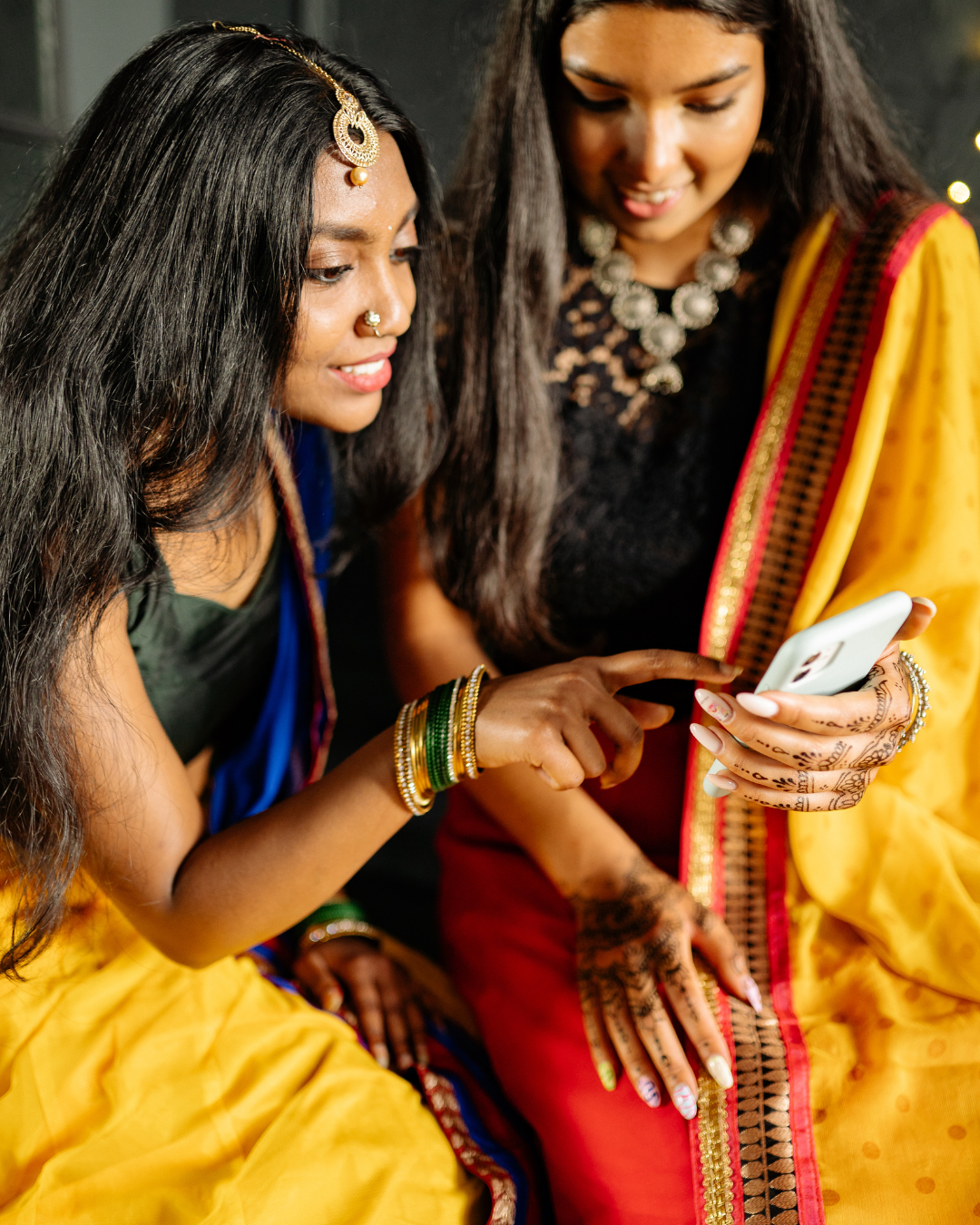

What Makes me Different
If you’re here, you had one of the following experiences:
Prayer didn’t help you get through stress and hardship
You and your parents had a major disagreement for the first time
Your cousins and family friends keep telling you to compromise for the peace
You tried working with a white therapist who was nice but told you to cut off your parents
Your Brown therapist told you to, “Just talk to your parents “
You already have multiple people in your life making decisions for you—I’m not going to be another adult telling you what to do or how to feel.
Who I am
Hey there! I’m Tracy and I’m the “Bad Indian” Therapist.
I’m a licensed therapist who helps Brown women in New York, New Jersey, and California stop betraying themselves in the name of “culture” through evidence-based and culturally affirming therapy (without the guilt-trip)!
I challenged cultural norms and risked being called the “bad” Indian daughter. Now I help women like you embrace the nuances that make you, YOU!


What I Offer
How YOU define yourself is more important to me than what culture or religion say. I’m here to help you:
Acknowledge the good, the bad, and the ugly days.
Unleash your sadness and frustration about rigid cultural rules
Find the small things that can bring you more joy
Cut out red flags, toxicity, and unhealthiness in your life.
Identify a life that’s more true to YOU, not to other people.
It’s not about what the culture wants. It’s about what YOU want!
FAQ
Frequently asked questions about bicultural mental health at my practice.
-
Therapy can help you develop a healthy and balanced appreciation for your culture and your parents. The goal isn’t necessarily to 100% love them, but to embrace the love with nuance. Cultural appreciation and love for your family doesn’t have to black-and-white or all-or-nothing. You might find that this is more helpful than what you’ve been told to believe—that you’e supposed to 100% love your culture and parents, or else.
-
Effective therapy doesn’t always lead to loving your cultural identity unconditionally. Sometimes it’s healthy to have a balanced take that also includes negative feelings about your culture. Therapy can help you name and uncover painful truths about your identity that you’ve been avoiding. If your therapist is uncomfortable with you naming these truths, then they’re not culturally affirming.
-
What if I told you that you’re not always supposed to know what you want? That’s OK. Therapy can help you figure out your goals, and we can explore them together. Good things take time, and we can focus on the journey rather than the destination.
-
I’ve been called both of those things. I went into this work believing I wasn’t “Brown enough” and “too Brown” at the same time, and I wouldn’t want you to feel the same way. I’m a therapist with strong opinions, but I’m not the expert on your life! If that makes us “bad”, then let’s be “bad” together!
-
Many Brown men resonate with my messaging and I also have experience working with straight Brown men struggling with depression. While my specialty is with Brown women, I don’t discriminate—and I’m open to you venting your frustrations about gender too. There’s no judgement here.
-
Being queer and navigating bicultural identity is its own special kind of grief. Yes, I work with queer Brown women and I have experiencing working with queer South Asians. You shouldn’t have to choose between your culture and your sexual or gender identity!
-
I have specialized training in Cognitive Behavioral Therapy (CBT), Acceptance Commitment Therapy (ACT), and Eye Movement Desensitization and Reprocessing (EMDR), as well as other approaches. Therapy isn’t one-size-fits-all because YOU are not one-size-fits-all. I tailor my approach to fit you—not the other way around!
Let’s be “Bad” together!
Stop letting stressful bicultural expectations dictate your life. Book a call and let’s talk!